Use this complete guide on reliable asphalt paving services in Los Angeles, CA. Learn paving types, the install process, budget drivers, and contractor tips.
Cracked parking lots at strip centers along Sepulveda, sagging warehouse drives in Vernon, and pothole-filled HOA roads across the San Fernando Valley all share the same story. Asphalt that looked great five years ago is now telling owners it needs attention. The longer you wait, the more expensive each next step becomes.
That is where local crews like Superior Asphalt Services INC step in, handling everything from quick patch work to full lot reconstructions for property owners across Southern California. Picking Reliable asphalt paving services in Los Angeles, CA means working with a team that knows how the region’s heat, occasional winter rains, and heavy traffic loads wear down pavement faster than most owners expect. If you are searching for the Best Asphalt paving for roads and lots services in Los Angeles, CA, learning what goes into a proper paving job helps you sort serious bids from quick fixes that fail by year two.
This guide walks you through why paving matters, the service options worth knowing, the install process, what shapes the bill, and how to vet a contractor properly.
Why property owners across LA keep replacing aging asphalt
Asphalt surfaces in Southern California live a hard life. Summer pavement temperatures can climb past 140 degrees on a sunny August afternoon in Sun Valley. Heavy delivery trucks pound commercial lots all day in Commerce and the Arts District. Even mild winter rains chase water into hairline cracks where it freezes overnight at higher elevations like Sylmar or Tujunga.
What pushes owners to actually pull the trigger on paving work? Liability concerns lead the list for commercial properties. Cracked or uneven surfaces in a shopping center parking lot can turn into trip-and-fall claims fast. Property managers across Westwood, Culver City, and Sherman Oaks know how quickly an unrepaired pothole turns into an insurance issue.
Curb appeal and tenant retention also drive the call. A freshly paved and striped lot tells customers and tenants that the property is well-maintained. A faded, patchy surface tells the opposite story. According to the National Asphalt Pavement Association (NAPA), more than 94 percent of paved roads in America are surfaced with asphalt, with reclaimed asphalt now the most-recycled material in the U.S. construction industry.
Cost math also matters. Pavement maintenance follows a steep curve. According to the American Society of Civil Engineers, every dollar spent on pavement preservation in the early stages saves four to ten dollars in later repair costs. Sealcoating and crack filling at year four often delay full resurfacing by another five to seven years.
A licensed paving contractor working across the LA basin put it plainly: “Most lots we resurface could have stretched five extra years with proper sealcoat and a few crack fills at year four. Skipping that step costs owners far more than they realize.” Many property managers shopping for Reliable asphalt paving services in Los Angeles, CA start with a free assessment rather than guessing what the surface really needs.
Paving service types and mix options across the region
The selection of the service method is based on the condition and the available budget of the surface to be worked on. Not every aging pavement needs a full tear-out and not every fresh crack means a failure.
Sealcoating is the number one maintenance item on the list. Every three to five years, depending on traffic and sun exposure, a polymer or coal-tar emulsion gets squeegeed and sprayed on an existing asphalt surface. Sealcoating shields pavement from the impact of UV damage, moisture intrusion, and oil leaks. The striping work is done at the same time usually.
Localized failures to take care of crack filling and pothole patching. Routed cracks are filled with hot rubberized crack sealant to prevent water intrusion in the subbase. The type of asphalt employed in pothole patching depends on the weather conditions and access as they may use hot-mix or cold-patch asphalt. Most commercial lots throughout Los Angeles require this work every two to four years between larger resurfacing jobs.
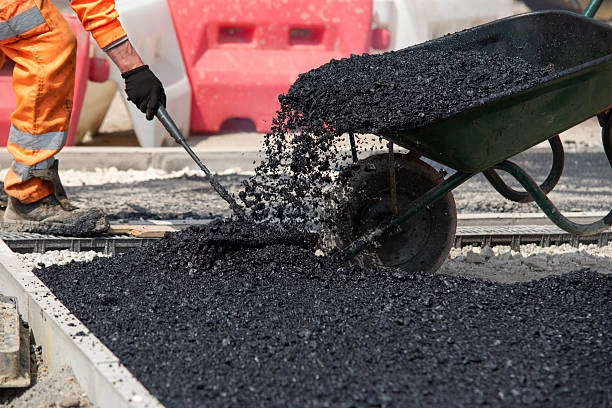
Full-depth reclamation and reconstruction deal with the worst cases. When the base course has failed due to heavy traffic, crews remove the asphalt, regrade or replace the aggregate base and then lay new full-depth asphalt. Construction projects on roads throughout LA County often employ this strategy, as do industrial yards in Carson and Wilmington that receive heavy truck loads daily.
Asphalt mix design is important. The California Department of Transportation (Caltrans) specifies different mixes for different levels of traffic. Most commercial lots use standard HMA or asphalt. RAC helps build flexible highways that carry a large volume of traffic. Open-graded friction course (OGFC) is put down on roadways to improve wet-weather skid resistance during the rains of winter.
| Service Type | Best For | Typical Lifespan Added | When to Schedule |
| Sealcoating | Maintenance, UV protection | 3-5 years | Every 3-5 years |
| Crack filling & patching | Localized failures | 2-4 years | As cracks appear |
| Mill & overlay | Worn surface, sound base | 10-15 years | After 15-20 years |
| Full reconstruction | Failed base, heavy use | 20-30 years | When base has failed |
The paving process from site evaluation to final striping
All successful paving jobs take a similar course, regardless of their size or scope. Awareness of everything helps you identify a squad that is speeding through prep work as that’s where most temporary jobs go wrong.
Examine the Site First. The contractor walks the lot or road with you, measures, checks drainage pattern, sees the sub-base problem and utility access point. Settlement issues are often found at this stage for older lots in Mid-City or the Arts District. This can hold up the paving.
We commence the preparatory tasks. When an overlay or reconstruction is planned, crews remove the old surface material. Damaged sub-base has been cut out and replaced with new compacted aggregate. The cleaning and preparation of drains, curb edges, and concrete pads. The compaction of the sub-base is more important than most owners realize, as soft spots underneath will create problems in fresh asphalt in under a year.
The application of tack coat creates bond between asphalt layers. Placing an asphalt emulsion on the site will hold old and new asphalt together, creating a perfect bond. By the third year, the delamination is caused by skipping this step.
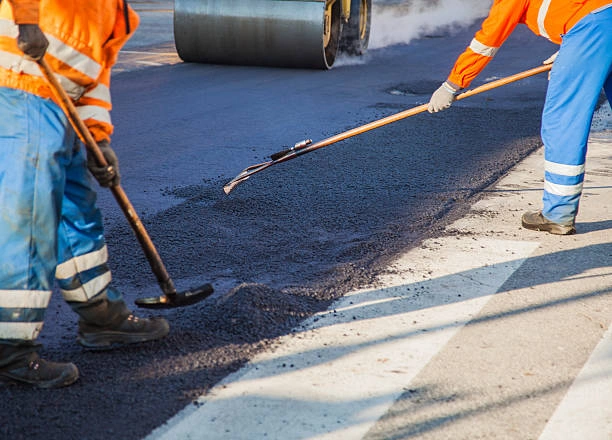
Hot-mix asphalt is placed and compacted simultaneously. Asphalt is delivered in trucks from the plant at about 300 degrees Fahrenheit. A paver lays it at the specified thickness, then steel-drum and pneumatic rollers compact it in multiple passes. A licensed paving foreman in LA we work with said, “Compaction wins or loses every paving job, get the rollers right and you’ve got a lot that lasts 20 years. Skip a pass and you’ve got ruts by year three.”
Budget drivers and selecting a Los Angeles paving contractor
Two paving quotes for the same property can land at very different numbers. The drivers come down to scope, sub-base condition, and access.
Factors that move an LA paving budget
Square footage and asphalt thickness carry heavy weight. Larger lots and roadways require more material, more equipment, and longer schedules. Thicker asphalt (3 to 4 inches versus 2 inches) costs more up front but holds up better under truck traffic in commercial corridors.
Sub-base condition matters next. A lot with a sound base can take a simple mill and overlay. One with a failed base needs full reconstruction, including aggregate replacement and possibly geotextile fabric to stabilize the subgrade. Older Westside and South LA lots over commercial fill often need more base work than newer Valley properties.
How to vet a paving contractor in the region
Start with credentials. California requires paving contractors to hold a C-12 Earthwork and Paving license through the Contractors State License Board (CSLB). Verify the license on the CSLB website, then confirm general liability insurance, workers’ compensation, and any required bonding in writing.
References tell the rest of the story. Ask for three completed projects from the past two years across the LA basin, then call those owners. Did the lot pass the first inspection cleanly? How does the surface look after a year? How did the crew handle traffic and access during the work?
Read every estimate carefully. The Best Asphalt paving for roads and lots services in Los Angeles, CA spell out asphalt mix specification, lift thickness, sub-base scope, tack coat material, striping plan, permit handling, and warranty terms in writing. Avoid bids that list only a per-square-foot price with no material or thickness specs.
FAQ’s
How long does a typical asphalt paving job take in Los Angeles?
Small parking lot resurfacing in the LA area usually finishes in one to two days, including cure time before traffic returns. Larger commercial lots can run three to five days. Full reconstruction projects with sub-base work or roadway segments often stretch across one to three weeks depending on phasing and traffic control needs.
Do I need a permit for paving work in Los Angeles, CA?
Yes, work in the public right-of-way requires permits from the City of Los Angeles Bureau of Engineering or LA County Public Works. Private commercial paving may need permits depending on scope and stormwater requirements. Your contractor should handle permits and any SWPPP documentation before paving equipment arrives on site.
What pushes Los Angeles paving costs higher than expected?
Failed sub-base, sloped or poorly draining lots, traffic control on busy corridors, night-work requirements, premium mixes like rubberized asphalt, ADA upgrades for parking lots, and stormwater compliance all push budgets higher. Older properties in Downtown LA or Long Beach often need more base work than newer Valley lots due to long-term settlement.
Which asphalt mixes hold up best in Southern California’s heat and traffic?
Standard hot-mix asphalt works well for most LA County applications. Rubberized asphalt (RAC) handles heavy truck traffic in industrial corridors like Vernon and Commerce. Polymer-modified mixes resist rutting in extreme heat. Caltrans specifies these mixes for state-maintained roadways, and many private projects across LA use the same standards for longevity.
Conclusion
A solid asphalt project comes down to picking the right contractor, matching the scope to the actual pavement condition, and reading every proposal carefully before signing. Take time to verify the C-12 license, check local references, and confirm written warranty terms on both materials and workmanship. The LA basin’s mix of heat, occasional rain, and heavy traffic rewards owners who pick durable mixes and skilled compaction work. When you are ready to move forward, reach out to Superior Asphalt Services INC for a free site assessment. The team can walk you through scope options and realistic timelines without pressure.