Planning to maintain your asphalt? Here is a real cost guide for professional asphalt maintenance in Ontario — pricing, services, and what to expect.
Asphalt does not last forever. Even the best-installed parking lot or driveway eventually shows wear — cracks, fading, surface roughness, and small potholes. The good news is that you do not have to wait for a full reconstruction. With the right maintenance schedule, asphalt can last 20 to 30 years instead of the 8 to 12 you might get without any care.
The question most property owners ask is the same one: what is this actually going to cost? Maintenance pricing is one of those topics where the answers vary widely depending on who you ask. Some quotes feel reasonable. Others feel impossibly low. Others feel inflated. Without a clear sense of what real maintenance work costs, it is hard to budget responsibly or evaluate whether you are getting a fair deal.
Superior asphalt services has worked with property owners across Ontario and the broader Inland Empire on maintenance programs of every size, and the same questions come up across almost every project. This article walks through realistic costs, what services include, when to schedule them, and how to plan a maintenance budget that protects your asphalt without overspending.
Why Maintenance Matters More Than People Think
Asphalt fails for a few specific reasons. Water gets into small cracks and works its way down to the base material. UV radiation breaks down the oils that keep asphalt flexible. Oil and chemical spills soften the surface. Heavy vehicle traffic compresses weak spots. Each of these creates a small problem that grows over time.
Maintenance addresses all of these issues before they become major repairs. A 2023 report from the National Asphalt Pavement Association found that every $1 spent on preventive asphalt maintenance saves roughly $6 to $10 in future repair and reconstruction costs. The math on maintenance is hard to argue with.
The Main Types of Asphalt Maintenance
Asphalt maintenance is not one service. It is several different services, each addressing different issues at different stages of an asphalt surface’s life.
Crack Sealing
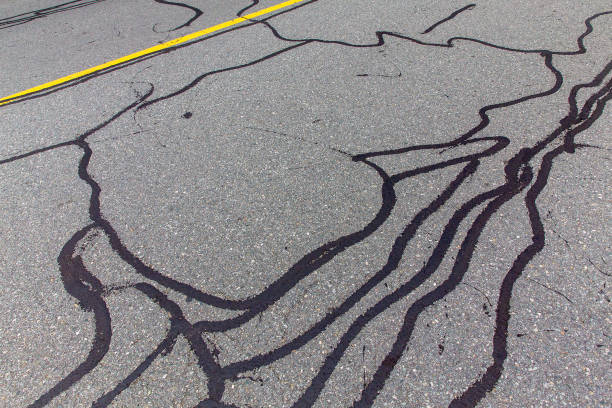
When cracks first appear, sealing them keeps water from reaching the base. This is the cheapest form of maintenance and the most cost-effective long-term investment. Cracks left unsealed grow wider and allow base damage, which becomes expensive to repair.
Seal Coating
A protective coating applied over the entire asphalt surface. Seal coating restores the dark color, fills small surface imperfections, and creates a barrier against UV, water, oil, and chemicals. Most asphalt surfaces benefit from seal coating every two to four years.
Patching and Pothole Repair
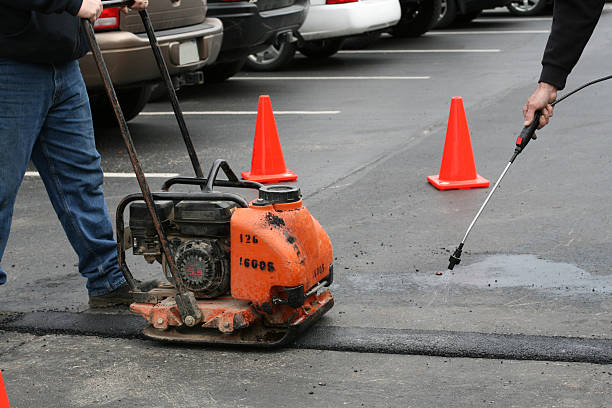
Targeted repairs to specific damaged areas. Small problems get fixed before they spread. Pothole repair involves cleaning out the damaged area, applying a tack coat, and filling with fresh asphalt.
Striping and Marking
Restriping parking lots, repainting traffic markings, and refreshing handicap stalls and curb markings. Often included as part of seal coating work since the existing markings get covered.
Crack Filling
Different from crack sealing in that it addresses larger cracks with a rubberized material that flexes with temperature changes. Used on cracks too wide for basic sealing but not severe enough to require patching.
Drainage Correction
Fixing low spots, adding drainage features, or correcting slope issues that cause water to pool on the asphalt surface. Standing water is one of the worst things for asphalt and addressing drainage extends the surface’s lifespan significantly.
Realistic Pricing in the Ontario Area
Here is what each maintenance service typically costs in the Ontario market:
| Maintenance Service | Typical Cost | Frequency |
| Crack sealing (linear foot) | $0.50 – $2.00 | As needed |
| Seal coating (per square foot) | $0.15 – $0.30 | Every 2 – 4 years |
| Pothole patching (per pothole) | $100 – $500 | As needed |
| Asphalt patching (per square foot) | $3 – $8 | As needed |
| Parking lot striping (standard stall) | $5 – $15 per stall | With seal coating |
| Custom markings (arrows, letters) | $25 – $100 each | With seal coating |
| Drainage correction | $500 – $5,000+ | One-time |
For a typical 10,000 square foot commercial parking lot in Ontario, a full maintenance cycle (crack sealing, seal coating, and restriping) runs between $2,500 and $5,000 every two to three years. Compare that to a full reconstruction cost of $50,000 to $100,000, and the maintenance investment looks very different.
For a residential driveway around 600 square feet, complete maintenance (crack repair plus seal coating) runs $200 to $500 every few years.
Building a Maintenance Schedule
The right maintenance schedule depends on your asphalt’s age and condition. Here is a general framework:
Year 0 to 1 After Installation
New asphalt does not need maintenance immediately. In fact, seal coating too soon can trap oils that need to cure out of the surface. Wait at least six to twelve months before the first seal coat.
Year 2 to 3
First professional inspection and any needed crack repairs. First seal coat if not done at year one.
Year 4 to 6
Second seal coat. Address any new cracks. Watch for any drainage issues that may have developed.
Year 7 to 10
Third seal coat. Possible localized patching of areas showing more wear. Refresh striping if applicable.
Year 10+
Continued seal coating every 2 to 3 years. Patching as needed. Consider mill and overlay around year 15 to 20 depending on condition.
A 2022 study by the American Public Works Association found that asphalt surfaces with documented maintenance schedules lasted 60 to 80 percent longer than surfaces without consistent maintenance. The schedule matters as much as the work itself.
Where Commercial Maintenance Costs Add Up
Commercial properties have larger maintenance budgets than residential, but they also benefit from economies of scale that residential customers do not get.
Larger lots usually have lower cost per square foot for both seal coating and asphalt repair. A contractor mobilizing equipment and crews for a 30,000 square foot parking lot spreads fixed costs across more area than they would on a 5,000 square foot one.
Commercial work often happens overnight or on weekends to avoid disrupting business. This can add a small premium to the cost but eliminates the business disruption of closing a lot during the day.
Striping and markings are more involved on commercial properties. Standard parking stalls are easy. ADA compliance markings, fire lane stripes, custom traffic patterns, and directional arrows all add complexity. Restriping after seal coating is when these get refreshed.
For property managers and business owners in the area, our team offers Professional Asphalt maintenance in Ontario with scheduled maintenance programs that handle multiple properties on consistent rotations. Predictable costs, predictable timing, and consistent quality across all your locations.
How to Get an Accurate Maintenance Quote
When asking for maintenance quotes, give the contractor enough information to give you a real estimate.
Square footage of the area being maintained.
Current condition — when was the last seal coat applied? Any visible cracks or damage?
Scope of work — seal coating only, or also crack filling and restriping?
Access requirements — can crews work during the day or do you need overnight/weekend work?
Timing — is this urgent or flexible?
Get at least two or three written quotes for any project over $1,500. Look for quotes that specify:
Type of sealer being used (different brands and grades exist) Number of coats being applied Crack repair details — what counts as included versus extra Striping included if applicable Cure time and access restrictions during the work Warranty terms
Warning Signs of Cheap Maintenance Work
Asphalt maintenance is unfortunately one of the categories where some operators provide low-quality work for low prices. Here is what to watch for:
Door-to-door solicitation offering “leftover sealer from a nearby job.” Quality sealer is not sold this way. These operations almost always use diluted sealer that wears off within months.
Quotes that are dramatically below other bids. Sealer thinned with water to stretch coverage is the most common shortcut. Looks fine for a few weeks, fails within a year.
No company truck or marked equipment. Established contractors maintain professional appearance.
No insurance or license proof. California requires C-12 or C-32 licenses for paving and asphalt work over $500.
Pressure to make immediate decisions or pay in cash. Quality contractors do not operate this way.
A real seal coat goes on at the proper thickness, gets two coats where appropriate, and includes adequate cure time before traffic. Shortcuts in any of these areas show up within months as wear, peeling, or color washout.
What Property Owners Can Do Themselves
There are some basic maintenance tasks property owners can handle without professional help.
Sweeping and removing debris. Leaves, dirt, and other organic material trap moisture against the asphalt. Regular sweeping prevents this.
Cleaning up oil spills promptly. Oil softens asphalt and causes long-term damage. Most automotive supply stores sell asphalt-safe oil absorbents and degreasers.
Filling small cracks with consumer-grade crack filler from a hardware store. This works for hairline cracks under 1/4 inch wide. Larger cracks need professional attention.
Avoiding heavy parked loads in the same spot for extended periods. Concentrated weight creates depressions over time.
Anything beyond these basic tasks should be left to professional contractors with proper equipment and materials.
Final Thoughts
Cost planning for asphalt maintenance is one of those topics where the math always favors regular care over deferred maintenance. Small expenses spread across years prevent the massive bills that come with full reconstruction. The property owners who set up consistent maintenance schedules end up with asphalt that lasts decades, while those who put off care end up paying many times more in eventual repairs. A reasonable annual maintenance budget for a typical commercial property runs a small fraction of total replacement cost, and the savings on long-term reconstruction are substantial.
Our team offers trusted Asphalt repair in Ontario along with full maintenance programs, seal coating, crack repair, and parking lot striping. If you are planning a maintenance budget or just want a professional assessment of your current asphalt, reach out — we are happy to walk you through your options and provide a detailed written quote.
Frequently Asked Questions
How often should I seal coat my asphalt parking lot?
Most commercial parking lots benefit from seal coating every two to three years. High-traffic lots with heavy vehicle use may need it every two years. Lower-traffic lots can sometimes stretch to four years between coats. The visual signs are usually clear — the surface fades from rich black to gray, small cracks start appearing, and the surface texture becomes rougher. Schedule your seal coat before these signs become severe.
What time of year is best for asphalt maintenance in Ontario?
The ideal window for seal coating and most asphalt maintenance work runs from late spring through early fall when temperatures stay above 50 degrees and the asphalt surface stays dry. Ontario’s mild climate gives a longer maintenance season than colder areas, but extreme summer heat above 100 degrees can affect application quality. Spring and early fall tend to give the best results with reasonable temperatures and stable weather.
Can I keep my business open during seal coating?
Most seal coating projects on commercial lots require closing the lot for 24 to 48 hours minimum. Quality contractors often schedule work to start on Friday evening so the lot is ready by Monday morning. Larger lots can sometimes be done in sections to keep partial access available. Plan with your contractor in advance to minimize business disruption.
How long does fresh seal coat take to cure before traffic?
Fresh seal coat typically needs at least 24 hours before light foot traffic and 48 to 72 hours before vehicle traffic. Hot, dry weather speeds curing. Cool or humid conditions slow it down. Driving on seal coat before it is fully cured leaves tire marks that can be permanent. The cure time depends on the specific product used and the weather conditions during application — your contractor will give you specific guidance for your project.
What is the difference between crack sealing and crack filling?
Crack sealing uses a hot-applied rubberized material that bonds to the asphalt and flexes with temperature changes. It is typically used for active cracks that move with seasonal expansion and contraction. Crack filling uses cold-pour materials and is suitable for less active cracks. For most professional maintenance work on parking lots and driveways, hot crack sealing is the preferred method because it lasts significantly longer and handles temperature movement better.