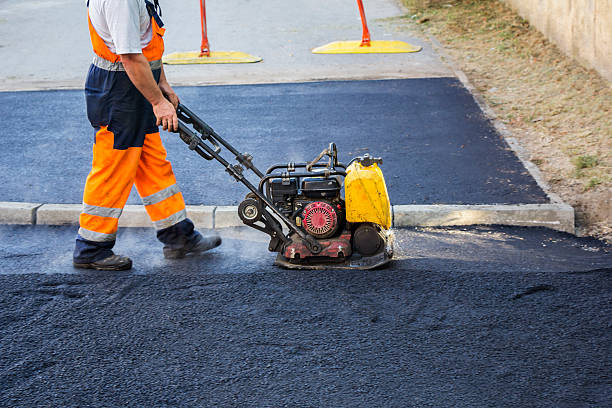
Looking for paving services near you in Los Angeles, CA? Learn how to pick the right contractor, materials, and timing with Superior Asphalt Services.
Asphalt looks simple from a distance. A flat black surface covers your driveway or parking lot, cars roll over it, life moves on. But anyone who’s hired the wrong paving crew knows the truth. Bad asphalt cracks within a year, sinks unevenly, peels in patches, and ends up being more expensive than just hiring a real pro the first time.
So how do you pick the right paving team? That’s the question we hear all the time from Los Angeles homeowners and business owners. With hundreds of paving companies in the LA area, sorting the pros from the rest takes some homework.
We at Superior Asphalt Services put this guide together to help you make a smart pick. These are the same questions and checks we’d use if we were hiring someone ourselves.
Why Picking the Right Crew Matters So Much
Asphalt is one of those things where the actual material costs less than the labor. So when contractors compete on price, they cut corners on prep work, base depth, or compaction. The job looks fine the day they finish. Six months later, cracks start. A year later, sinking. Two years later, you’re paying someone else to redo the whole thing.
A 2024 report from the Asphalt Pavement Alliance found that 51% of failed residential asphalt jobs in California traced back to improper base preparation, not material quality. The base matters way more than the asphalt itself.
So the goal isn’t just finding the cheapest quote. It’s finding the team that does the boring prep work right.
Step One: Check Their License and Insurance
The first question for any paving company is whether they’re properly licensed and insured. In California, paving contractors need an active state license from the CSLB.
What to look for:
- Active California state contractor license
- General liability insurance (at least $1 million)
- Workers’ compensation coverage
- Bonding for the project amount
- A real local business address, not a P.O. box
You can look up any contractor on the CSLB website for free. If they hesitate to share license info, that’s a major red flag.
Step Two: Look at Their Past Work
Photos online are nice. Real addresses you can drive by are better. Ask any paving company for a list of recent jobs in the LA area.
When you check their past work, look for:
- Smooth, even surfaces with no waves or bumps
- Clean edges along curbs and driveways
- Even color across the whole job (no patches of different shades)
- No standing water spots after rain
- Proper slope away from buildings
A 2023 study from the National Asphalt Pavement Association showed that paving jobs done by experienced crews lasted an average of 7 years longer than jobs from new or low-experience teams. Old jobs tell you the truth about a company’s work.
Step Three: Understand the Base Work
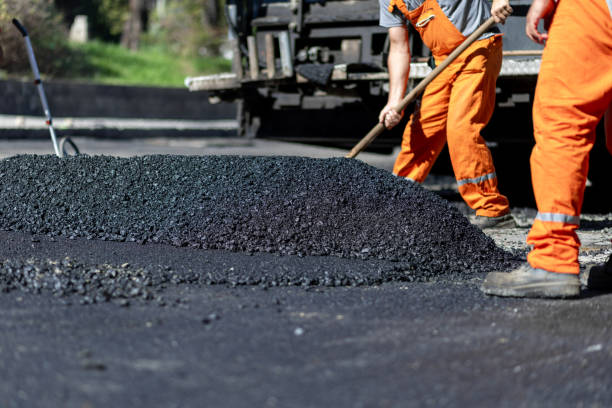
This is where pros separate from amateurs. The base layer under your asphalt is what holds everything up over time.
A real paving job includes:
- Excavating to the right depth (usually 6-8 inches for driveways, 8-12 inches for parking lots)
- Removing all topsoil, roots, and weak material
- Installing proper aggregate base material
- Compacting the base in layers
- Grading for water drainage
If you want Best Paving Services Near Me in Los Angeles, CA, ask any contractor about their base prep specifically. A real pro can explain exactly what they do step by step.
Step Four: Know the Material Differences
Not all asphalt is the same. Different jobs need different mixes.
Common asphalt types in Los Angeles:
- Hot mix asphalt (most common for new driveways and parking lots)
- Cold mix asphalt (for repairs and patches)
- Porous asphalt (lets water drain through, eco-friendly)
- Recycled asphalt (cheaper option but lower quality)
- Polymer-modified asphalt (premium, lasts longer)
Most homes do best with quality hot mix asphalt. Most commercial parking lots use the same with a thicker layer.
Quick Look at Paving Project Costs
Here’s a chart we share with new clients:
| Project Type | Average Size | Cost Range |
| Driveway (new) | 800-1,200 sq ft | $4,500 – $9,500 |
| Driveway (resurface) | 800-1,200 sq ft | $2,200 – $5,500 |
| Small Parking Lot | 5,000-10,000 sq ft | $25,000 – $60,000 |
| Large Parking Lot | 20,000+ sq ft | $80,000 – $200,000+ |
| Walkway or Path | 50-200 sq ft | $700 – $2,500 |
| Asphalt Repair | Patch work | $200 – $1,500 per patch |
Costs vary based on existing conditions, drainage needs, and access challenges.
Step Five: Ask About Drainage
This is the silent killer of asphalt. Water sitting on asphalt or running under it ruins surfaces faster than anything else.
A good paving job includes:
- Slope away from buildings (at least 1-2% grade)
- French drains or surface drains where needed
- Proper edge construction so water flows off
- Curb tie-ins that don’t trap water
LA gets less rain than most cities, but when storms hit, they hit hard. Drainage matters even more in our climate because most paving was built for sunny days, not flash floods.
A Story From One of Our LA Projects
Last summer, a property manager in Los Angeles called us in a panic. They had hired a low-bid paving crew to resurface a 12,000 square foot parking lot the year before. The lot was already showing alligator cracking, sinking near the drains, and one whole corner that puddled after every rain.
We looked at the job. The original crew had skipped the base prep, used asphalt that was too thin (only 1.5 inches when 3 inches was needed), and ignored proper drainage grading.
The fix? Tear out the bad work, redo the base properly, and lay new asphalt at the right thickness with real drainage. Total cost: $42,000 on top of the $28,000 they’d already paid the first crew.
He told us he’d never go with the cheapest quote again. Painful lesson, but he’s now got a parking lot that should last 20 years.
Step Six: Compare Multiple Quotes
Get three quotes minimum. Compare them carefully.
What a good quote includes:
- Detailed scope of work
- Exact asphalt thickness
- Base preparation steps
- Drainage plan if needed
- Square footage and material amounts
- Timeline with start and end dates
- Warranty terms in writing
- Total cost with payment schedule
Watch out for quotes that just say “paving” with one big number. Vague quotes hide cut corners.
Step Seven: Ask About Warranties
A solid paving job comes with a real warranty. Most quality contractors offer:
- 1 to 2 years on workmanship
- 5 to 7 years on materials (manufacturer warranty)
- Free fixes for settling or cracks in the first year
- Written warranty terms in your contract
If a contractor only offers verbal promises, walk away. Good pros put it in writing.
Step Eight: Know the Timeline
Asphalt jobs go faster than most homeowners expect. A standard driveway takes 1 to 3 days. A typical commercial parking lot takes 3 to 7 days depending on size.
You’ll need to keep cars off the new asphalt for 24 to 72 hours after installation. Heavy vehicles need to wait longer (5 to 7 days). Walking on it is fine after a few hours.
LA weather usually cooperates for paving, but heavy rain or extreme heat can delay work. Most contractors plan around the weather forecast.
Step Nine: Plan for Maintenance
A new asphalt surface needs care to hit its full lifespan.
Basic maintenance:
- Seal coating every 2 to 3 years
- Crack filling as small cracks appear
- Sweeping debris off the surface
- Avoiding heavy equipment or sharp objects
- Filling holes from oil drips with patching material
A 2024 study from the Asphalt Institute found that properly maintained driveways and parking lots lasted up to 35 years, compared to 12 to 18 years for surfaces with no maintenance plan. Big difference for a few hundred dollars a year.
Step Ten: Trust Your Gut
After all the checks and comparisons, sometimes it comes down to feel. Did the contractor listen to your concerns? Did they explain things in plain language? Did they show up on time for the estimate?
A pro who treats you well during the quote process usually treats you well during the work. Same goes the other way.
Conclusion
Picking the right paving company in Los Angeles isn’t about finding the cheapest quote. It’s about finding the team that does the prep work right, uses quality materials, and stands behind their work for years. From licensing checks to base preparation to drainage planning, every step matters. We’ve been helping LA homeowners and businesses pave driveways and parking lots that hold up for decades. If you want a team that handles Trusted Residential Paving Company in Los Angeles, CA with honest pricing and quality work, give us a call.
FAQs
How long does asphalt paving take in Los Angeles? Most residential driveways take 1 to 3 days from start to finish. Smaller repair jobs can wrap in a few hours. Larger commercial parking lots take 3 to 7 days depending on square footage. We give you a clear timeline before starting any work so you can plan around the crew being there.
How long should I wait before driving on new asphalt? Light foot traffic is fine after a few hours. Cars can drive on new asphalt after 24 to 72 hours depending on weather. Heavy vehicles or trucks should wait 5 to 7 days. We give specific instructions for your job at the end of the install.
How long does an asphalt driveway last in Los Angeles? A properly installed and maintained asphalt driveway in LA lasts 20 to 30 years. Without maintenance, lifespan drops to 12 to 18 years. Sealcoating every 2 to 3 years and filling small cracks early adds years to the surface. Heat and UV are the main wear factors here.
Can you pave over old asphalt? Yes, in some cases. If the existing surface is in fair shape with no major sinking or alligator cracks, we can lay new asphalt on top. If the old asphalt has major damage or the base is failing, we have to tear it out first. We check this during the quote visit.
Do you offer warranties on paving work? Yes, we offer written warranties on every paving job. Workmanship is covered for 1 to 2 years, and materials carry the manufacturer warranty of 5 to 7 years. If something settles, cracks, or fails because of our install, we come back and fix it under warranty.